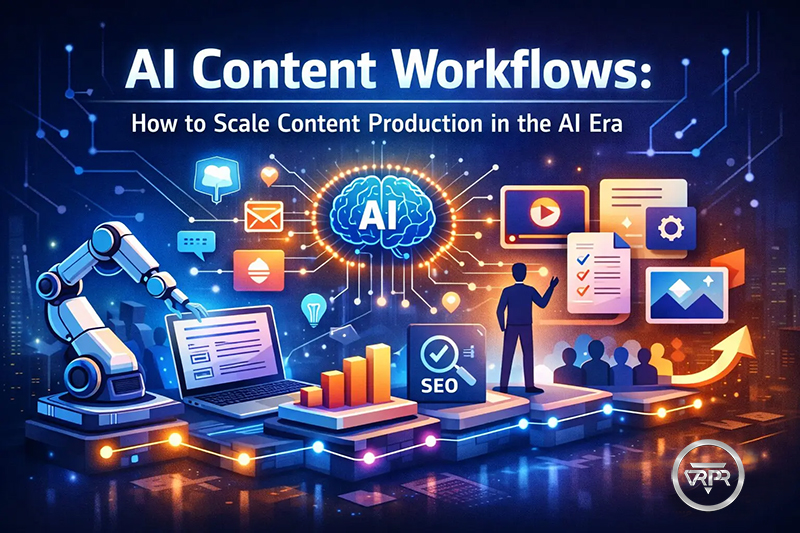

As of mid-2026, key AI trends focus on agentic AI, multimodal models, and massive workplace integration, with 88% organizational adoption.
Key trends include AI companions (like MS Copilot), RAG for accurate data retrieval, and “shadow AI” (unauthorized employee tools). The technology is transitioning from simple content generation to executing complex workflows.
Top Current AI Trends (2026)
- Agentic AI: AI is shifting from “tool” to “teammate,” with autonomous agents performing multi-step tasks, such as managing a marketing campaign from end-to-end.
- Multimodal AI: Models now seamlessly process and interpret text, audio, images, and video simultaneously, resembling human perception.
- Retrieval-Augmented Generation (RAG): Combining generative models with external data sources for more accurate, company-specific responses.
- Physical and Embodied AI: AI is moving beyond screens into physical robots for logistics and warehouse management, such as Amazon’s fleet.
- Small Language Models (SLMs) and Efficiency: Focus is shifting toward smaller, faster, and more specialized models that run on local devices or efficiently in the cloud, rather than only massive, energy-intensive models.
- AI Governance & Ethical AI: Increased focus on regulation and safe AI use as enterprises manage risks.
Artificial Intelligence (AI) represents a cutting-edge field of computer science that aims to create systems capable of simulating human intelligence and problem-solving abilities. AI encompasses a wide range of techniques and technologies, including machine learning, neural networks, and natural language processing, which enable computers to analyze data, make decisions, and learn from experiences. The field of AI has evolved significantly over the years, with notable breakthroughs in areas like image and speech recognition, robotics, and natural language understanding. One of AI’s most exciting and rapidly growing applications is its role in content creation, where it has transformed how we create, manage, and personalize digital content.
Brand-approved content engine
Maximize compliant content output by aligning to brand and legal standards.
º Asset reuse. Reuse and resize brand-approved assets from the built-in content repository, or your own connected digital asset repository (DAM).
º Governed templates. Use Adobe Express templates to define which elements can be edited and which must remain locked.
º Pre-approved content fragments. Insert disclaimers and citations word-for-word into any variant, keeping critical content locked and everything else dynamic.
º Content credentials. Sign and store AI-generated content with verified credentials so teams can trace documented history and confidently activate assets across campaigns.
In the realm of content creation, AI plays a pivotal role in automating various tasks that were once time-consuming and labor-intensive. For example, AI-driven content generators can produce high-quality articles, blog posts, and even poetry by analyzing vast datasets of text and generating human-like prose. Content curation is another area where AI excels, as it can analyze user preferences and behavior to recommend personalized content, such as news articles, videos, and product recommendations. Additionally, AI-powered chatbots and virtual assistants can engage with users in real-time, providing them with information and assistance, and enhancing the overall user experience.
AI’s influence in content creation is not limited to written or textual content. It has also made significant strides in the realm of multimedia content, such as image and video generation, editing, and enhancement. AI-powered tools can transform raw images and videos into stunning visuals, apply artistic filters, and even create entirely new, synthetic media. This has a profound impact on industries like marketing and entertainment, where AI-driven content creation tools can reduce costs and improve the quality of content, ultimately driving engagement and business outcomes. In fact, “Gartner® says more than 80% of enterprises will have used generative AI APIs or deployed generative AI-enabled applications by 2026”.1 As AI continues to advance, its applications in content creation are poised to reshape the way we produce, consume, and interact with digital content across various domains.
Image and copy iteration
Reach more segments and markets by adapting imagery and messaging for relevance.
º Model choice. Access leading models, including Adobe Firefly, Azure OpenAI, WRITER Palmyra, and Google’s Nano Banana, to generate copy and image variations that fit your campaign goals.
º Creative consistency. Build and lock image workflows in Firefly Creative Production, then access them in GenStudio for on-brand variants.
º Generative expand. Transform landscape images to fit vertical placements and vice versa — expanding creative without cropping or losing key visuals.
º Seamless localization. Generate and translate content across multiple languages to support global campaigns and regional teams.